


We often think of landscape design as a spring or summer activity, but we’ve found that winter actually presents some great opportunities. It’s a time when we can really focus on planning and making big changes without the usual rush. This season allows for thoughtful decisions about both the hard elements of your yard and the plants that will thrive. We’re going to look at why this colder period is a smart time to get your landscape updated.
Key Takeaways
- Getting hardscape installation done in winter means less waiting for crews and less mess around your home.
- Planning your garden in winter helps pick plants that will do well in the cold and lets you schedule projects smoothly.
- Working on landscape projects during the off-season can lead to better prices on materials and contractor services.
Advantages of Hardscape Installation in Winter
We often think of landscaping as a spring or summer activity, but winter actually presents some unique benefits, especially when it comes to hardscape projects. Installing patios, walkways, retaining walls, or outdoor kitchens during the colder months can make the whole process smoother and, dare we say, more enjoyable.
Reduced Wait Times for Installation Crews
One of the biggest headaches during peak season is the long wait to get a contractor booked. Everyone wants their yard looking great when the weather warms up, so crews are booked solid for months. In winter, however, things slow down considerably. This means you’re much more likely to get the attention of your preferred landscaping company without a lengthy delay. Getting your hardscape project scheduled and completed in winter means you’ll be ready to enjoy it the moment spring arrives.
- Faster Scheduling: Typically, you can get a consultation and project start date much sooner.
- More Crew Availability: Landscapers have more teams ready to go, meaning less waiting around.
- Priority Service: You might even find crews are more focused on your project without the constant rush of back-to-back jobs.
Less Disruption to Your Daily Life
Let’s be honest, construction, even in your backyard, can be disruptive. With winter projects, the impact on your day-to-day routine is often minimized. Fewer people are using outdoor spaces, and the weather, while cold, can sometimes make things simpler for the crew. Think about it: less need to work around kids playing outside, fewer garden parties to reschedule, and generally a quieter environment for the workers to do their job.
Working on hardscape projects in winter means less interference with your usual outdoor activities. The cooler temperatures and shorter days might seem like a drawback, but they often lead to a more focused and less intrusive construction period for your home.
- Minimal Impact on Outdoor Living: Your backyard is likely not in heavy use, so construction won’t interrupt your leisure time.
- Quieter Work Environment: Fewer neighbors are outside, potentially leading to less noise disturbance.
- Easier Access: With less foot traffic and fewer obstacles, crews can often work more efficiently.
Maximizing Plant Health Through Winter Landscape Planning
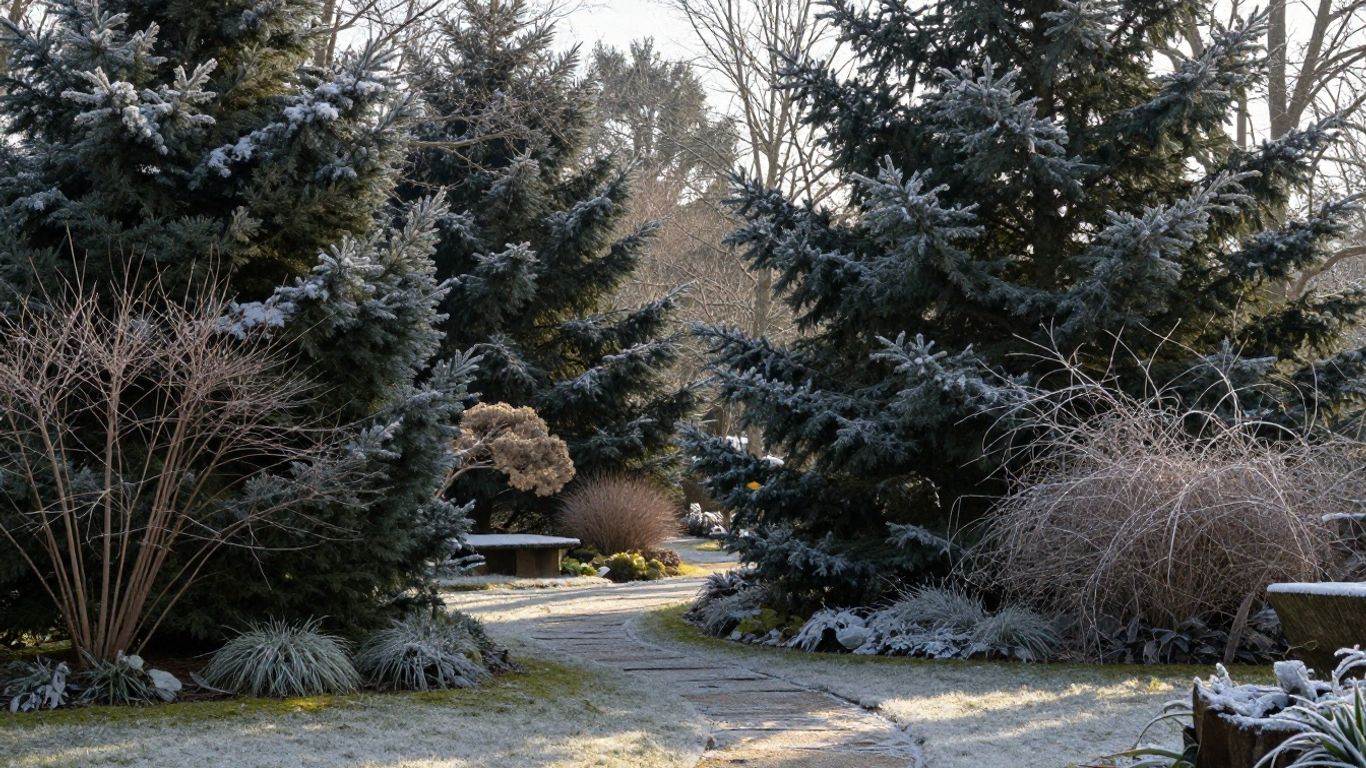
Winter might seem like a dormant period for our gardens, but it’s actually a prime time for us to plan and prepare for healthier, more vibrant plant life come spring. Thinking about your landscape design during the colder months allows us to focus on the long-term well-being of our plants and the overall structure of our outdoor spaces.
Choosing the Right Plants for Cold Weather
Selecting plants that can withstand our local climate is key. We need to look for species that are naturally suited to handle freezing temperatures and shorter daylight hours. This isn’t just about survival; it’s about picking plants that will thrive and provide beauty even when the weather is harsh.
- Consider native species: These are already adapted to our region’s conditions.
- Look for cold-hardiness zones: Ensure the plants you choose are rated for your specific zone.
- Think about evergreen options: These provide color and structure throughout the winter.
- Research drought tolerance: Some cold-hardy plants also need less water, which is helpful.
Timing Your Hardscape Installation Winter Projects
When we plan our hardscape projects, like patios or walkways, during winter, we’re not just getting a head start. We’re also setting ourselves up for better plant establishment later on. Properly timed hardscape work can actually benefit surrounding plant life.
- Avoid root disturbance during active growth: Installing hardscapes before plants are actively growing minimizes stress on their root systems.
- Allow for soil settling: Winter conditions can help new soil and base materials settle naturally before planting begins.
- Plan for drainage: Winter weather often highlights drainage issues, giving us a chance to correct them before planting season.
Planning our landscape design in winter means we can be more deliberate. We have the time to research, sketch out ideas, and select materials without the rush that often comes with warmer weather. This thoughtful approach helps us avoid costly mistakes and ensures our garden looks its best when the seasons change.
Saving on Costs with Off-Season Landscape Projects
We often think of landscaping as a spring or summer activity, but tackling projects during the colder months can really help our wallets. Contractors and material suppliers are usually less busy when the weather turns, and this lull can translate into savings for us.
Potential Discounts from Contractors
When the demand for landscaping services drops in winter, companies are often more willing to negotiate prices to keep their crews working. This means we might find better deals on labor for things like installing patios, walkways, or retaining walls. It’s a good time to get quotes and see if you can secure a lower rate than you would during peak season.
- Negotiate for off-season rates.
- Ask about package deals for multiple hardscape elements.
- Inquire about flexibility in scheduling to fit their slower periods.
Securing the Best Materials Before Spring
Winter is also a smart time to plan and purchase materials. Think about the stone for your new patio or the wood for a deck. Suppliers might offer discounts on these items to move inventory before the busy spring season arrives. Plus, by having your materials on hand, you’re ready to go the moment the weather breaks, avoiding potential price hikes that often happen as demand increases.
Planning ahead and buying materials in winter can prevent last-minute rushes and unexpected cost increases. It gives us more control over the budget.
Here are some materials that might see price adjustments:
- Pavers and flagstone
- Gravel and decorative stone
- Lumber for decks and fences
- Soil and mulch (though storage needs consideration)
Wrapping Up Our Winter Design Thoughts
So, as we put this winter landscape chat to bed, we hope we’ve shown you that this colder season isn’t just for hunkering down. It’s actually a pretty good time to get those design ideas flowing for your yard. Thinking about new plants or a different layout now means you’re ahead of the game when spring rolls around. We can start sketching, looking at what works and what doesn’t, and even get a head start on ordering materials. It’s about making the most of the quiet months so we can enjoy a beautiful outdoor space sooner rather than later. Let’s make this year’s garden the best one yet.
Frequently Asked Questions
Will my yard get messed up if we do work in the winter?
We understand concerns about yard damage. While some ground disturbance is unavoidable, winter’s frozen soil often means less rutting and compaction than in warmer, wetter months. We take great care to protect existing features and minimize impact, planning our work to ensure your yard recovers beautifully come spring.
Can we still plant things when it’s cold?
Absolutely! Winter is actually a fantastic time for planting certain types of trees and shrubs. Their roots can establish themselves in the cool, moist soil before the heat of summer arrives, giving them a strong start. We focus on selecting plants that thrive in our climate and are well-suited for winter planting.
Is it cheaper to get landscaping done in the winter?
Often, yes! Contractors may offer better prices during the off-season because they have more availability. Plus, you might find deals on materials like stone or pavers before the busy spring rush. It’s a smart way to get more value for your landscaping budget.
