


Planning a garden for a shady spot in your Rochester backyard can feel tricky. Many people think shade means no color, but that’s just not true. We’ve put together some ideas to help you create a beautiful, green space, even with limited sun. Let’s look at some great plant choices and simple landscape design ideas that work well here.
Key Takeaways
- Consider plants with interesting leaves like hostas and ferns for shade gardens.
- Add pops of color with flowering plants such as astilbe and impatiens.
- Use layering and hardscaping to make your shade garden look its best.
Embrace Lush Foliage For Your Shade Garden
When we think about shade gardens, we often picture flowers, but foliage can be just as, if not more, impactful. The right foliage plants provide structure, color, and texture that lasts all season long, even when flowers fade. We can create a garden that feels full and interesting without relying solely on blooms. Think about how different leaf shapes and colors can play off each other. A broad, glossy hosta leaf next to the delicate fronds of a fern creates a wonderful contrast. It’s all about building layers and visual interest using the leaves themselves.
Hostas: The Shade Garden Workhorse
Hostas are practically synonymous with shade gardening, and for good reason. They are incredibly adaptable and come in a dizzying array of sizes, colors, and textures. We can find tiny hostas that are perfect for edging a path, or giant specimens that become the star of a border. Their leaves can be deep green, blue-green, chartreuse, or variegated with white, cream, or yellow. Some even have leaves with wavy edges or a puckered texture. They really are the backbone of many successful shade gardens.
- Size Variety: From miniature (under 6 inches) to giant (over 3 feet wide).
- Leaf Color: Greens, blues, golds, and many combinations.
- Leaf Texture: Smooth, puckered, wavy, or ribbed.
Ferns: Adding Texture and Movement
Ferns bring a different kind of magic to the shade garden. Their delicate, feathery fronds add a softness and a sense of movement that’s hard to replicate. As a gentle breeze rustles through them, they seem to dance. We can use different types of ferns to create varied textures. Some have upright fronds, while others spread out low to the ground. They often thrive in moist, shady conditions, making them ideal companions for hostas or under trees.
Choosing ferns that suit your specific light and moisture conditions is key. Some ferns prefer drier shade, while others need consistently damp soil. Researching the needs of each variety will help ensure they flourish in your garden.
Vibrant Blooms To Brighten Shady Spots
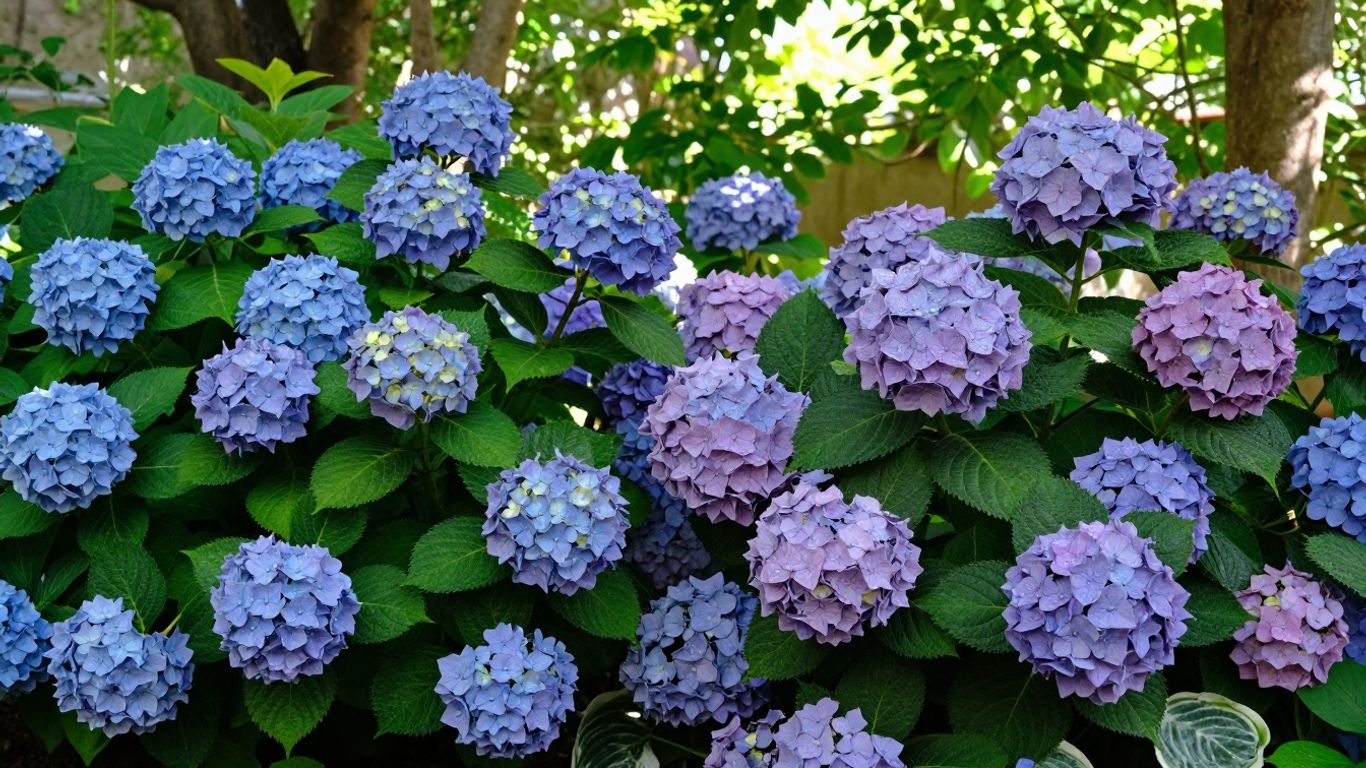
Even in the shade, we can bring in pops of color. It’s easy to think of shade gardens as just green, but that’s not the case at all. We’ve found some plants that really shine when the sun isn’t beating down.
Astilbe: Feathery Flowers For A Touch Of Elegance
Astilbe are just lovely. They send up these tall, feathery plumes that look so delicate. We like them because they bloom in mid-summer, which is often when other flowers are starting to fade. They come in shades of pink, red, and white. These plants prefer consistently moist soil, so keep that in mind when you’re watering. They don’t like to dry out.
- Bloom Time: Mid-summer
- Colors: Pink, red, white
- Needs: Moist soil, partial to full shade
Impatiens: Reliable Color All Season Long
If you want color that just keeps going, impatiens are a good bet. They are super reliable and bloom from spring until the first frost. We often use them in containers or along borders where we want a solid block of color. They do well in partial shade, but can handle a bit more sun if the soil stays damp. Just be aware that they can be susceptible to downy mildew in very humid conditions.
We’ve found that planting impatiens in areas that get morning sun and afternoon shade works best for us. It gives them enough light to bloom well without getting scorched.
Here are a few things to consider when choosing impatiens:
- Growth Habit: Some are mounding, others are a bit more trailing.
- Color Variety: You can find them in almost every color imaginable, except true blue.
- Care: Regular watering is key, especially when it’s hot.
These two plants, Astilbe and Impatiens, give us a lot of flexibility for adding color to our shady areas without a lot of fuss.
Innovative Landscape Design Ideas For Rochester Yards
When we think about our shady spots, it’s easy to just fill them with plants and call it a day. But we can do so much more to make these areas really shine, even without direct sun. Thinking about how we arrange things can make a big difference. We’re talking about creating spaces that feel intentional and interesting, not just a collection of plants.
Layering Plants For Depth And Interest
Layering is a technique where we place plants of different heights next to each other. It’s like building a little plant community. We start with taller plants in the back, then medium-sized ones in the middle, and finally, low-growing groundcovers at the front. This gives the garden a sense of depth, making it look bigger and more complex. Think of hostas as the sturdy backdrop, with ferns adding a feathery middle layer, and maybe some creeping jenny or vinca trailing over the edges. It creates a natural, flowing look that’s really pleasing to the eye.
- Back Layer: Taller hostas, shade-tolerant shrubs.
- Middle Layer: Medium hostas, astilbe, ferns.
- Front Layer: Low-growing groundcovers, small hostas.
Incorporating Hardscaping Elements
Hardscaping refers to the non-living elements in our garden, like paths, patios, or walls. In a shade garden, these elements can really break up the green and add structure. A winding stone path can lead the eye through the garden, inviting exploration. A small, shaded patio area with a bench gives us a place to sit and enjoy the cool, quiet space. Even simple things like decorative rocks or a small water feature can add a lot of character. We don’t need a huge patio; sometimes, just a few well-placed stones or a small gravel area can make a big impact. It’s about creating focal points and adding visual interest beyond just the plants.
We often forget that shade gardens can be just as dynamic and engaging as sunny ones. By thoughtfully combining plants and hardscaping, we can create inviting outdoor rooms that we’ll want to spend time in, no matter the light conditions.
Wrapping Up Your Shade Garden
So, there you have it. Creating a beautiful shady spot in your Rochester backyard doesn’t have to be complicated. We’ve looked at some plants that do well with less sun, and hopefully, you’ve found a few ideas that catch your eye. Remember, gardening is a journey, and sometimes things don’t go exactly as planned, but that’s part of the fun. Don’t be afraid to experiment a little. With a bit of patience and the right plants, you can turn that dim corner into a lovely, relaxing space. Happy planting!
Frequently Asked Questions
What are the best plants for shady areas in our backyards?
For spots where the sun doesn’t reach much, we often suggest plants with great leaves, like Hostas, which come in many sizes and colors. Ferns are also a fantastic choice; they bring a lovely, flowing look and feel to the garden.
How can we add color to a garden that doesn’t get much sun?
Even in shady spots, we can bring in bright colors! Astilbe offers beautiful, feathery flowers that add a touch of elegance. For a more consistent splash of color throughout the growing season, Impatiens are a reliable option that truly brightens up darker corners.
What are some simple ways to make our shady garden look more interesting?
We can create depth by planting different types of plants together, putting taller ones in the back and shorter ones in front. Also, adding hardscaping elements like stepping stones or a small bench can break up the green and make the space feel more designed and inviting.
