


Winter can be tough on everything around our homes, and our retaining walls are no exception. The freeze-thaw cycles and heavy snow can really put them to the test. As the weather warms up, it’s a good time for us to take a look and see if any damage happened. Proper retaining wall maintenance now can save us a lot of trouble down the road. We want to make sure these structures are safe and sound.
Key Takeaways
- After winter, we need to check our retaining walls for signs of frost damage, like cracks or leaning, and look for any soil that might have shifted.
- It’s important for us to clear out any blockages in the wall’s drainage system to let water flow away properly.
- We should repair any surface damage we find and keep the area around the wall free of debris to help with ongoing retaining wall maintenance.
Assessing Retaining Wall Integrity Post-Winter
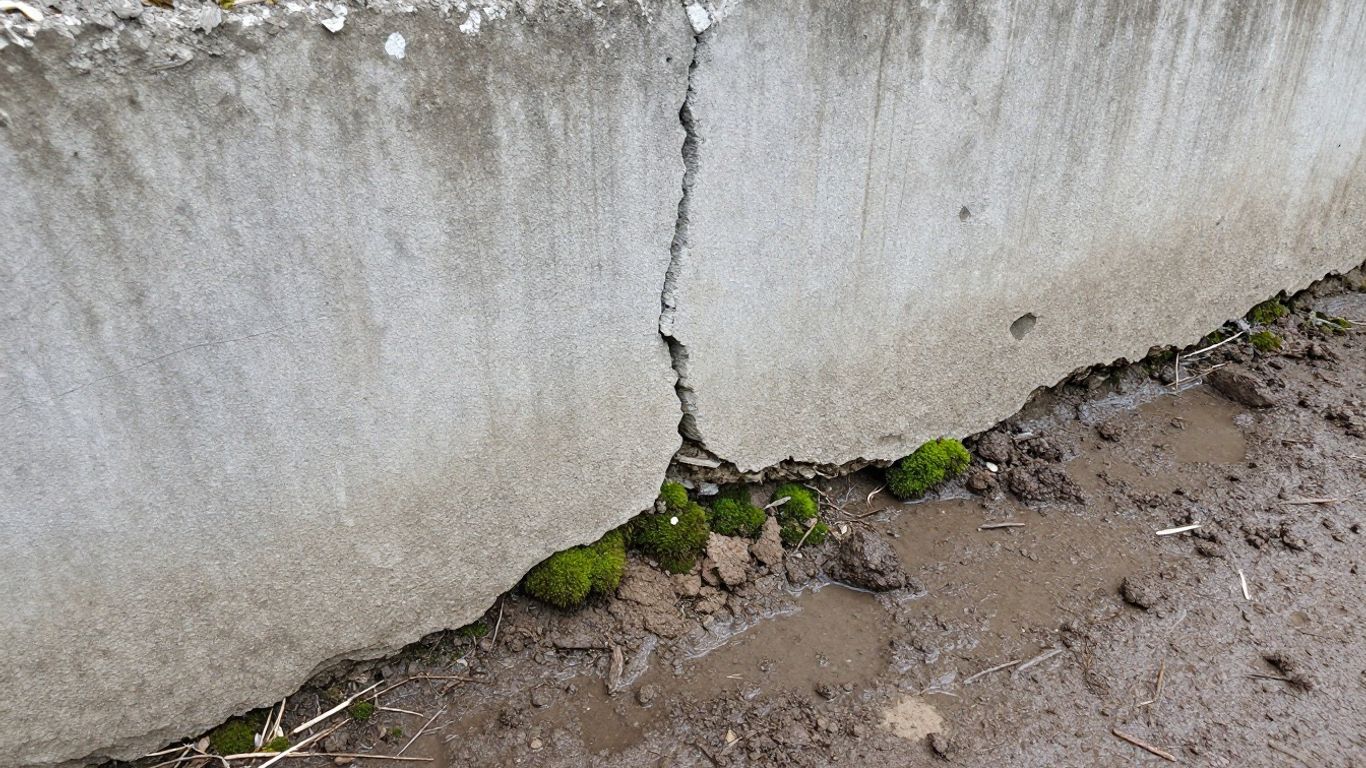
Winter can be tough on retaining walls. The freeze-thaw cycles, heavy snow, and ice can really put them through their paces. After the snow melts and the ground thaws, it’s a good time for us to take a close look at our walls to see how they held up. We need to check for any signs of damage that might have happened over the cold months.
Identifying Frost Damage and Soil Movement
Frost heave is a common culprit. When water in the soil freezes, it expands, pushing against the wall. As it thaws, the soil can settle unevenly, leading to shifts. We should look for:
- Leaning or Tilting: Does the top of the wall seem to be leaning away from the soil it’s holding back? Even a slight angle can be a sign of movement.
- Cracks: Keep an eye out for new cracks, or existing ones that have gotten wider or longer. Horizontal cracks are often a sign of pressure from the soil behind the wall.
- Bulging: Parts of the wall might bulge outwards. This indicates the soil is pushing the blocks or stones apart.
- Uneven Settling: The ground in front of the wall might have sunk in places, or the wall itself might appear lower in certain spots.
We should also check the soil behind the wall. If we see soil that has washed out from behind the wall, especially near the top or through cracks, that’s a clear indicator that water has been building up and pushing its way out.
Checking for Drainage System Blockages
Proper drainage is probably the most important thing for a retaining wall’s long-term health. If water can’t escape from behind the wall, it builds up pressure, which can lead to all sorts of problems, including the frost damage we just talked about. We need to make sure the drainage system is clear.
Here’s what we should inspect:
- Weep Holes: If your wall has weep holes (small openings near the base), check if they are clogged with dirt, leaves, or ice. We can use a stiff wire or a small tool to clear them out.
- Drainage Pipes: If there’s a perforated drainage pipe at the base of the wall, we need to ensure it’s not blocked. Sometimes, roots can grow into them, or sediment can accumulate.
- Surface Drainage: Look at the area at the top of the wall. Is water pooling there? Are there any gutters or downspouts that are directing water towards the wall instead of away from it? We need to make sure surface water is directed away from the wall’s backfill.
A blocked drainage system is like a ticking time bomb for a retaining wall. Water pressure can do a lot of damage over time, weakening the structure and eventually causing failure. Keeping those drains clear is a simple but very effective maintenance step.
If we notice any significant issues, like large cracks or substantial leaning, it’s probably best to consult with a professional before attempting any repairs ourselves. They can give us a better idea of the extent of the damage and the best way to fix it.
Essential Retaining Wall Maintenance Tasks
After the long winter, we need to give our retaining walls some attention. It’s not just about looks; it’s about making sure they stay strong and do their job. We’ll focus on fixing any damage and making sure water can get away properly.
Repairing Cracks and Surface Deterioration
Winter’s freeze-thaw cycles can be tough on retaining walls. We might see small cracks appear, or maybe some of the surface material starts to flake off. Addressing these issues now prevents them from getting bigger and causing more serious problems later.
- Minor Cracks: For hairline cracks, we can use a good quality masonry caulk or a flexible concrete repair sealant. We’ll clean out the crack first, maybe with a wire brush, then apply the sealant according to the product’s instructions. It’s important to get it into the crack, not just sit on top.
- Larger Cracks: If a crack is wider than about a quarter-inch, we might need a patching compound. Again, cleaning is key. We’ll pack the compound into the crack, smoothing it off so it blends in as much as possible. For very deep cracks, we might need to fill them in layers.
- Surface Spalling: This is when pieces of the surface break away. We can often repair this with a concrete resurfacer or a patching mix. We’ll want to remove any loose bits first, then apply the repair material. We’ll aim for a smooth finish that matches the surrounding area.
We should keep an eye on the type of material used for repairs. Using something compatible with the original wall material will give us the best results and longevity.
Clearing Debris and Ensuring Proper Water Flow
Water is a retaining wall’s worst enemy if it can’t drain away. Ice expansion is bad enough, but constant moisture can weaken the structure over time. We need to make sure our drainage systems are clear.
- Check Drainage Pipes: If your wall has weep holes or drainage pipes, we need to make sure they aren’t clogged with leaves, mud, or ice. We can use a stiff wire or a hose with some pressure to clear them out.
- Clear Surface Water Paths: Look around the top and base of the wall. Are there leaves, soil, or other debris blocking water from reaching the drainage system or flowing away from the wall? We’ll want to clear these areas.
- Inspect the Backfill: Sometimes, the soil behind the wall can become compacted or saturated. While this is a bigger job, we should at least note if the ground behind the wall seems unusually wet or soft, as this could indicate a drainage problem we need to investigate further.
Proper drainage is probably the single most important factor in a retaining wall’s lifespan. If water can’t escape, it builds up pressure and can lead to failure. We need to be diligent about keeping those pathways clear.
We should make a note of any areas where water seems to be pooling against the wall. This might mean we need to adjust landscaping or add a small French drain if the problem is significant.
Wrapping Up Our Winter Check
So, we’ve gone through what to look for after the cold months have done their thing to our retaining walls. It might seem like a lot, but taking a little time now can save us bigger headaches later. We’ve seen how frost and snow can push and pull, and a quick look can tell us if things are still solid or if they need some attention. Don’t wait for a small crack to become a big problem. A bit of care in the spring means our walls will keep doing their job, holding back the earth and looking good for another year. Let’s get out there and give them that look-over.
Frequently Asked Questions
What should we look for to see if our retaining wall got damaged by the winter?
After the cold months, we should carefully check our retaining walls for any signs of trouble. We’re looking for cracks, especially if they’ve gotten bigger, and if the wall seems to be leaning or bulging out. We also need to make sure the ground around the wall hasn’t shifted or sunk, as this can put extra pressure on the wall. Don’t forget to check the drainage; clogged drains can cause big problems.
How can we fix small cracks or worn spots on the wall?
For minor cracks, we can often use a special patching material designed for concrete or masonry. If there are areas where the surface is crumbling, we might need to clean it up and then apply a suitable repair compound. It’s important to address these small issues before they turn into larger, more serious problems that could weaken the entire wall.
Why is it so important to keep the drainage system clear after winter?
Water is a retaining wall’s worst enemy, especially when it freezes and thaws. If the drains that let water escape from behind the wall get blocked with leaves, dirt, or ice, the water has nowhere to go. This trapped water builds up pressure, which can push against the wall and eventually cause it to fail. Keeping the drains clear ensures water flows away safely, protecting our wall.
