


As we move into June here in Rochester, MN, it’s a great time to think about planting perennials and shrubs. Getting these in the ground now means we can enjoy their beauty for seasons to come. This guide will walk us through some ideas for our landscape design in Rochester MN, focusing on plants that do well in our area and how to get them started right.
Key Takeaways
- June is an ideal month to plant perennials for summer blooms and shrubs for lasting garden structure in Rochester, MN.
- Choosing the right plants that suit our local climate and soil conditions is important for successful landscape design in Rochester MN.
- Proper planting and care techniques will help new perennials and shrubs establish strong roots and thrive in our yards.
Enhancing Your Rochester MN Landscape Design With June Perennials
June is a fantastic time to get more perennials into our Rochester MN gardens. We can really start to fill out those beds and get a lot of color going for the rest of the summer and into the fall. It’s not too late to plant, and many nurseries have a good selection right now.
Selecting Vibrant Perennials for Summer Blooms
When we’re picking out perennials for June planting, we want things that will give us a good show soon and keep on giving. Think about what you like to see in a garden. Do you prefer bright colors, or something more subtle? We have a lot of options that do well here in our climate. Some popular choices that bloom in summer include:
- Coneflowers (Echinacea): These are tough plants and come in lots of colors, from classic purple to pink, white, and even orange. They attract pollinators too.
- Daylilies (Hemerocallis): You can’t go wrong with daylilies. They are super easy to care for and have blooms in almost every color imaginable. Plus, many varieties rebloom if you deadhead them.
- Hostas: While known for their foliage, many hostas also produce lovely flower spikes in mid-summer, adding another layer of interest.
- Black-Eyed Susans (Rudbeckia): These cheerful yellow flowers are a staple for a reason. They bloom from summer until frost.
When choosing, check the plant tag for its mature size and sunlight needs. We want to make sure we’re putting the right plant in the right spot so it thrives. A little planning now means less fuss later.
Caring for Newly Planted Perennials
Once we get our new perennials in the ground, we need to give them a little extra attention. They’re still getting established, so we want to help them out.
- Watering: This is the most important part. Water them deeply right after planting. Then, keep the soil consistently moist, but not waterlogged, for the first few weeks. We should check the soil by sticking a finger in about an inch or two deep. If it feels dry, it’s time to water.
- Mulching: Adding a layer of mulch around the base of the plants is a good idea. It helps keep the soil cool, conserves moisture, and keeps weeds down. Just be sure to keep the mulch a little bit away from the actual stem of the plant.
- Weeding: Keep an eye out for weeds. They compete with our new plants for water and nutrients. Gently pull them out by hand so we don’t disturb the new roots.
It’s easy to get excited and plant too close together, but remember that perennials grow. Giving them enough space from the start will prevent overcrowding issues down the road and allow for better air circulation, which helps prevent diseases.
We don’t need to fertilize right away. The soil in the pots usually has enough nutrients for the initial growth. We can think about feeding them next year.
Establishing Shrubs for Lasting Beauty in Your Rochester MN Yard
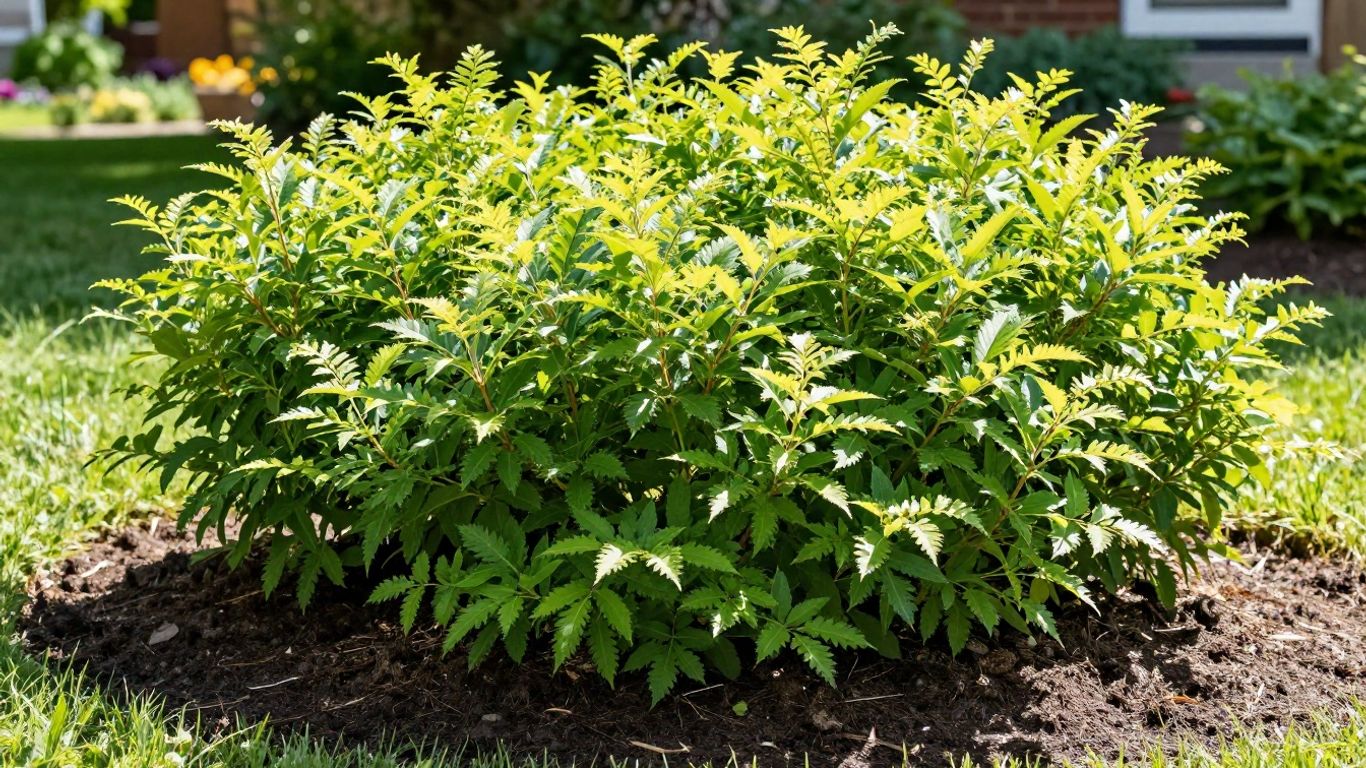
June is a fantastic time to get shrubs into the ground here in Rochester, MN. Planting them now gives them a good start before the heat of summer really kicks in, and they’ll have plenty of time to settle their roots before winter arrives. We want our yards to look good year after year, and shrubs are a big part of that. They give structure and year-round interest, which is something we all appreciate.
Choosing the Right Shrubs for Your Garden
Picking the right shrub can feel like a big decision, but it doesn’t have to be complicated. Think about what you want the shrub to do. Is it for privacy? A splash of color? Maybe something to attract birds? We also need to consider the spot where it will go. How much sun does it get? Is the soil wet or dry? Rochester’s climate has its quirks, so picking something that can handle our winters is key.
Here are a few things to think about:
- Sunlight: Full sun (6+ hours direct sun), part shade (4-6 hours), or full shade (less than 4 hours).
- Soil Type: Clay, loam, or sandy. Most shrubs aren’t too picky, but some have preferences.
- Mature Size: How big will it get? You don’t want it to crowd out other plants or your house.
- Bloom Time/Color: When does it flower, and what color are the blooms? Some offer great fall color too.
We’ve found that native plants often do really well here. They’re already adapted to our local conditions, which means less fuss for us.
Planting Techniques for Healthy Shrub Growth
Getting the planting right from the start makes a huge difference. Proper planting helps shrubs establish quickly and avoid problems down the road. It’s not rocket science, but a few steps make all the difference.
Here’s a simple process we follow:
- Dig the Hole: Make it about twice as wide as the shrub’s root ball, but no deeper. The top of the root ball should be level with or slightly above the surrounding soil.
- Prepare the Shrub: Gently loosen any circling roots on the root ball. If it’s in a container, carefully remove it. If it’s balled and burlapped, remove as much of the burlap and wire as you can once it’s in the hole.
- Place the Shrub: Set it in the center of the hole. Make sure it’s standing straight.
- Backfill: Use the soil you dug out to fill the hole. Don’t add a lot of amendments unless your soil is really poor; the shrub needs to get used to what’s around it.
- Water Thoroughly: Give it a good, deep soak right after planting. This helps settle the soil and removes air pockets.
- Mulch: Add a layer of mulch a few inches deep around the base, but keep it a little away from the trunk. This helps keep moisture in and weeds down.
Watering is probably the most important thing in the first year. We need to make sure the soil stays consistently moist, especially during dry spells. Checking the soil moisture with your finger is a good way to know when it’s time to water again.
Remember to check the specific needs of the shrub you choose, as some might have slightly different requirements. But following these general steps will give your new shrub the best possible start in your Rochester yard.
Wrapping Up Your June Planting
So, we’ve covered what we can plant in Rochester this June. It might seem like a lot, but taking it step-by-step makes it manageable. Getting these perennials and shrubs in the ground now gives them a good start before the heat of summer really kicks in. We hope this guide helps you fill your garden with color and life. Happy planting, everyone!
Frequently Asked Questions
What are the best flowers to plant in Rochester, MN during June for a splash of color?
In June, we can plant many flowers that will bloom all summer long. Think about colorful options like coneflowers, which attract butterflies, or daylilies, known for their beautiful, trumpet-shaped blooms. We also suggest salvias for their long-lasting purple or blue spikes, and hostas, which offer lovely foliage even if they don’t flower much. These choices will add great visual interest to our gardens.
How do we make sure our new perennials and shrubs grow well after planting them in June?
To help our new plants thrive, we must give them plenty of water, especially during hot weather. It’s also a good idea to spread a layer of mulch around them. Mulch helps keep the soil moist and cool, and it stops weeds from growing. We should also check for any pests or diseases and deal with them right away to keep our plants healthy and strong.
Are there any special tips for planting shrubs in Rochester during the summer month of June?
When planting shrubs in June, it’s best to do it in the cooler parts of the day, like early morning or late evening, to reduce stress on the plant. We need to dig a hole that’s twice as wide as the plant’s root ball but just as deep. After placing the shrub in the hole, we fill it with soil and water it thoroughly. This helps the roots settle in and start growing.
