


Minnesota winters can be tough on our yards. The constant cycle of freezing and thawing puts a real strain on landscape edging, often causing it to shift, crack, or break. We’ve found that choosing the right materials and installing them properly makes a big difference. This article shares some ideas on freeze thaw resistant landscape edging that we hope will help your garden beds look good all year long, even with our unpredictable weather.
Key Takeaways
- When picking materials for your garden borders in Minnesota, think about things like stone, concrete, and strong composite options. These tend to hold up better against the freeze-thaw cycle.
- How you put the edging in place matters a lot. Making sure the ground underneath is firm and level helps stop it from moving when the weather changes.
- It’s a good idea to leave a little room for the edging to expand and shrink. This small bit of give can prevent it from cracking under pressure from the ground freezing and thawing.
Choosing Materials for Freeze Thaw Resistant Landscape Edging
When we think about landscaping in Minnesota, we have to consider the weather. Specifically, that freeze-thaw cycle can really do a number on garden beds and pathways. It’s that constant freezing and thawing of water in the soil that pushes and pulls at whatever is holding your garden borders. So, picking the right stuff for our edging is pretty important if we want it to last more than a season or two.
Durable Stone and Concrete Options
For a really solid, long-lasting edge, stone and concrete are usually our go-to choices. They’re heavy and don’t move around much on their own, which is good. But, we need to be smart about how we use them.
- Natural Stone: Think about things like granite or fieldstone. These are tough and look great, but they can be pricey and heavy to work with. If they’re not set right, water can get into cracks and split them over time.
- Concrete Pavers/Blocks: These are more uniform and easier to lay. We can get them in all sorts of shapes and colors. The key here is to make sure they’re dense and have a good seal. Some cheaper concrete mixes can absorb water, and then, well, you know what happens.
- Precast Concrete Edging: You can buy these in long sections. They’re designed to be durable, but again, the installation is where the magic happens (or doesn’t).
We’ve found that the denser the material, the better it holds up. Porous concrete can soak up water like a sponge, and when that water freezes, it expands, creating stress. It’s all about finding materials that can handle being wet and then frozen, repeatedly.
Flexible Yet Resilient Composite Materials
Sometimes, a bit of give is actually a good thing. Composite materials can be a smart choice because they often have a bit more flexibility, which can help them absorb some of the ground’s movement without cracking.
- Recycled Plastic Edging: This stuff is becoming really popular. It’s made from recycled plastics and is designed to be flexible. It can bend around curves easily and doesn’t rot or crack like wood. We’ve seen it hold up pretty well, even after a harsh winter.
- Rubber Edging: Similar to plastic, rubber edging can be quite forgiving. It’s often made from recycled tires. It’s flexible and can handle ground movement. The main thing to watch out for is UV resistance; some types can get brittle if they’re in direct sun all the time.
- Fiberglass Reinforced Composites: These are a bit more high-tech. They combine materials to create something strong but with some give. They’re usually more expensive but can offer excellent durability.
When choosing composites, look for ones that specifically mention resistance to UV rays and extreme temperatures. Not all plastics or rubbers are created equal, and some might become brittle in the cold.
The biggest enemy of landscape edging in our climate isn’t just the cold, it’s the water that gets trapped. When water seeps into tiny cracks or porous materials and then freezes, it expands. This expansion is what causes materials to break apart or shift over time. So, we’re always looking for materials that either don’t absorb much water or can handle that expansion without failing.
Installation Techniques for Longevity
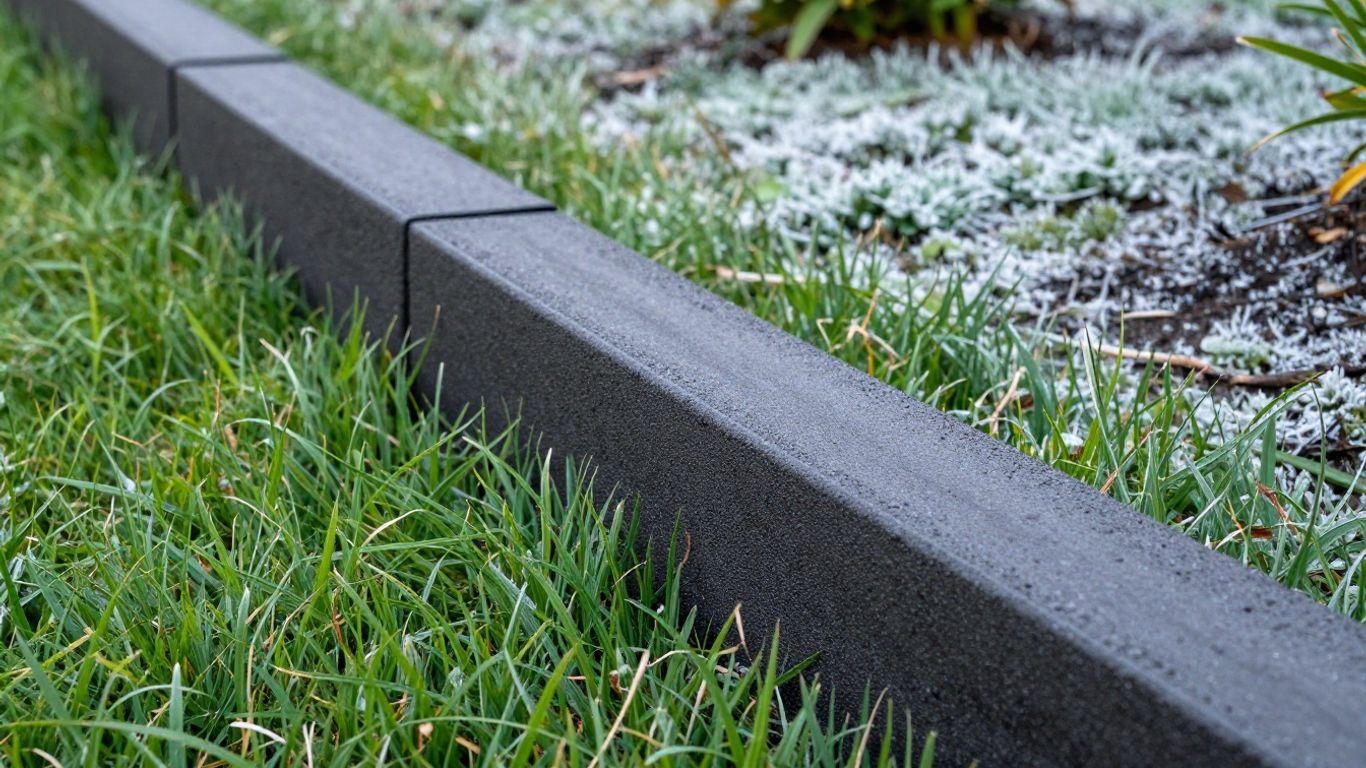
Getting your landscape edging installed right is half the battle when you want it to last through Minnesota’s tough freeze-thaw cycles. We’ve learned that skipping steps here really comes back to bite you later. Proper installation makes all the difference.
Proper Base Preparation for Stability
Before we even think about placing the edging material, we need to get the ground ready. This means digging a trench that’s deep enough and wide enough for your chosen material. We usually aim for a trench that’s at least 4-6 inches deep. Then, we add a base layer. This is often gravel or crushed stone. We pack this base down really well. A good, solid base stops the edging from shifting or sinking when the ground freezes and thaws.
Here’s a quick look at what we do:
- Clear the area of any grass, roots, or large rocks.
- Dig the trench to the required depth.
- Add a layer of gravel or crushed stone (about 2-3 inches).
- Compact the gravel firmly using a tamper or plate compactor.
A well-prepared base acts like a foundation for your edging. It gives it something stable to sit on, reducing the chances of it getting pushed up or pulled down by the soil’s movement.
Allowing for Expansion and Contraction
Materials, especially plastics and composites, can expand when it’s hot and contract when it’s cold. If you butt them up too tightly against each other or against fixed objects like walls or patios, the pressure from this movement can cause them to warp, crack, or even break. We always leave a small gap, maybe an eighth of an inch or so, between sections of edging. This gives the material room to move without stressing itself. For rigid materials like stone or concrete, we use a flexible joint compound or sand between pieces to absorb some of that movement. It might seem like a tiny detail, but it’s a big deal for how long your edging will look good.
Wrapping Up Our Edging Project
So, we’ve looked at a few ways to keep our yard edges looking good, even with Minnesota’s tough weather. It’s not always easy, and sometimes things don’t go as planned. We’ve seen how different materials can handle the freeze and thaw cycles, and what to watch out for. Remember, a little planning goes a long way. We might need to do some touch-ups now and then, but with the right choices, we can have neat edges that last. Let’s get out there and make our yards look their best, season after season.
Frequently Asked Questions
What kind of edging works best in Minnesota’s tough weather?
For yards in Minnesota, where the weather can really put things to the test with freezing and thawing, we recommend using tough stuff. Think about strong rocks, concrete blocks, or even some of the newer plastic or rubber materials that can bend a bit without breaking. These hold up better when the ground freezes and then thaws, which can push and pull on weaker edging.
How do we make sure our garden edging lasts a long time?
To make sure your edging stays put for years, we need to do a good job putting it in. This means digging a solid base for it to sit on, so it doesn’t shift around when the ground moves. Also, we leave a little bit of space for the edging to expand when it gets hot and shrink when it gets cold. This small gap helps prevent the edging from cracking or getting pushed out of place.
Can flexible edging materials really handle Minnesota winters?
Yes, many flexible edging options are surprisingly tough! Materials like certain types of rubber or composite plastics are designed to handle temperature changes. They can flex and move with the ground as it freezes and thaws, which is a big advantage over rigid materials that might crack under the same stress. We look for ones that are made to last in harsh climates.
