


After a long winter of snow and ice, our outdoor spaces might need a little attention. We’ve seen how the freeze-thaw cycles can really affect our patios, walkways, and walls. It’s time to get our hardscapes ready for the warmer months. Let’s look at some simple spring hardscape maintenance tips to get things back in shape.
Key Takeaways
- We should check our pavers, stones, and walls for any damage from winter weather. Look for cracks, shifting, or loose pieces.
- Clearing away leaves, dirt, and any other winter debris is the first step. Then, we can prepare the area for new growth.
- Applying sealants can protect our hardscape surfaces and keep them looking good for longer. This is a good step after cleaning.
Assessing Winter Damage To Your Hardscape
After a long winter of snow and ice, it’s time we take a good look at our outdoor spaces. We need to see what the cold weather might have done to our patios, walkways, and walls. This isn’t just about looks; it’s about making sure everything is safe and sound before we start using it more often.
Inspect Pavers And Stone Surfaces
When we look at our paver patios and stone walkways, we’re checking for a few things. The freeze-thaw cycle can be tough on these surfaces. Water gets into small cracks, freezes, expands, and can push stones apart or cause them to shift. We should look for:
- Loose or uneven pavers: Do any stones wobble when you step on them? This could mean the base underneath has shifted.
- Cracked or chipped stones: Ice wedging can cause visible damage. Small chips might seem minor now, but they can get bigger.
- Sinking areas: If parts of your patio or walkway seem lower than others, the ground beneath might have settled or eroded.
- Weed growth: Weeds popping up between stones are normal, but a lot of them might mean the jointing sand has washed out, leaving gaps.
We want to address these issues now before they become bigger problems that are more expensive to fix.
Check Retaining Walls And Edging
Retaining walls and garden edging also take a beating from winter. The pressure from frozen soil expanding can push against these structures. We need to walk along them and look for:
- Bulging or leaning: Does the wall seem to be pushed outward from the soil behind it?
- Cracked blocks or stones: Similar to pavers, individual units can crack under pressure.
- Separation at joints: Are the sections of the wall or edging pulling away from each other?
- Erosion around the base: Is the soil washing away from the bottom of the wall, potentially undermining its stability?
It’s easy to overlook these signs, especially if the damage isn’t dramatic. But even small shifts can lead to larger structural problems down the line if left unchecked. A little bit of careful observation now can save us a lot of trouble later on.
Essential Spring Hardscape Maintenance Tips
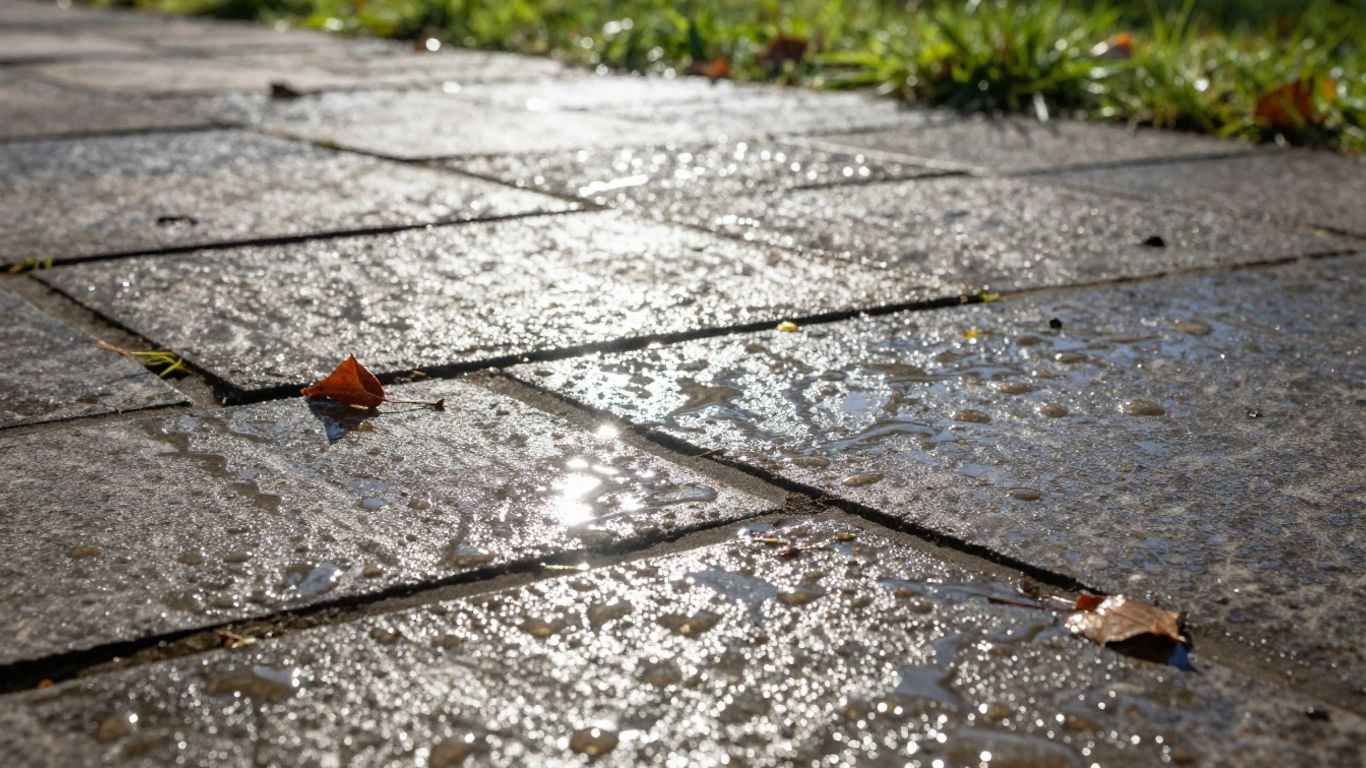
Now that we’ve assessed any winter damage, it’s time to get our hardscapes ready for the warmer months. This involves a few key steps to keep them looking good and functioning well.
Clearing Debris and Preparing for Growth
After the snow melts, our patios, walkways, and garden beds can look like a mess. We need to clear away all the leaves, twigs, and any other debris that accumulated over winter. This isn’t just about looks; it helps prevent moisture from getting trapped, which can lead to problems down the road. We should also check for any weeds that might have started to push through cracks in pavers or along retaining walls. Pulling them now is much easier than dealing with them later when they’ve really taken hold.
- Start by sweeping or blowing off loose debris from all hard surfaces.
- Carefully remove any weeds or moss growing in joints or cracks.
- Rinse down surfaces with a hose to remove any remaining dirt or salt residue.
We want to give our plants and lawn the best chance to grow, and that means a clean slate for our hardscape areas.
Clearing out winter debris is more than just tidying up; it’s a preventative measure. It allows surfaces to dry properly and reduces the risk of freeze-thaw damage to joints and materials.
Sealing and Protecting Your Surfaces
Once everything is clean and dry, we can think about protecting our hardscapes. Depending on the material, applying a sealant can make a big difference. Sealants help repel water, prevent stains, and can even protect against UV fading. For pavers, it can also help lock the jointing sand in place, stopping weeds and insects from taking over.
We should consider sealing:
- Paver patios and walkways
- Natural stone surfaces
- Concrete driveways and patios
- Retaining walls (if made of porous material)
Before applying any sealant, always read the manufacturer’s instructions carefully. Different materials require different types of sealants, and proper application is key to getting the best results. A good sealant application can extend the life of your hardscape significantly.
Wrapping Up Our Spring Hardscape Check
So, we’ve gone through the basics of getting our outdoor spaces ready after a tough winter. It might seem like a lot, but taking these steps now really makes a difference. We’re talking about keeping our patios, walkways, and walls in good shape for the long haul. Think of it as giving your hardscape a good once-over so it’s ready for all the spring and summer fun. A little effort now means less worry later, and honestly, who doesn’t want their yard looking its best? Let’s get out there and give it some attention.
Frequently Asked Questions
What should we look for after the snow melts?
After winter’s snow and ice, we must carefully check our stone paths and brick walkways. We’re looking for any stones that have shifted out of place or any cracks that might have formed. It’s also important to examine any walls holding back soil, making sure they are still standing strong and haven’t leaned or crumbled.
How do we get our hardscape ready for spring?
Our first step is to clear away all the leaves, twigs, and other bits of nature that have piled up over the winter. This makes our patios and paths look neat and also helps the plants around them get ready to grow without being blocked.
Should we protect our hardscape surfaces in the spring?
Yes, we should consider protecting our hardscape. Applying a sealer can help keep out moisture and stains, which is especially useful for stone and paver surfaces. This extra step helps them last longer and look good for the seasons ahead.
