


As the weather warms, we often look at our yards and think about making some changes. A simple way to make a big difference in how the outside of our homes looks is by focusing on the edges and the ground cover. We’ve found that adding some clean lines with edging and a fresh layer of rock can really wake things up. It’s a straightforward approach to improving our home’s curb appeal landscaping without a lot of fuss. Let’s talk about how we can get our yards looking sharp for the season ahead.
Key Takeaways
- We can create a more put-together look for our garden beds by clearly marking their borders with edging. This simple step helps define spaces and makes the whole yard look tidier.
- Choosing the right kind of rock and placing it thoughtfully can change the feel of our outdoor areas. It’s about picking stones that fit our style and putting them where they’ll have the most effect.
- Both edging and fresh rock are practical ways we can boost our home’s curb appeal landscaping, giving our property a renewed appearance with manageable effort.
Enhancing Curb Appeal Landscaping With Crisp Edging
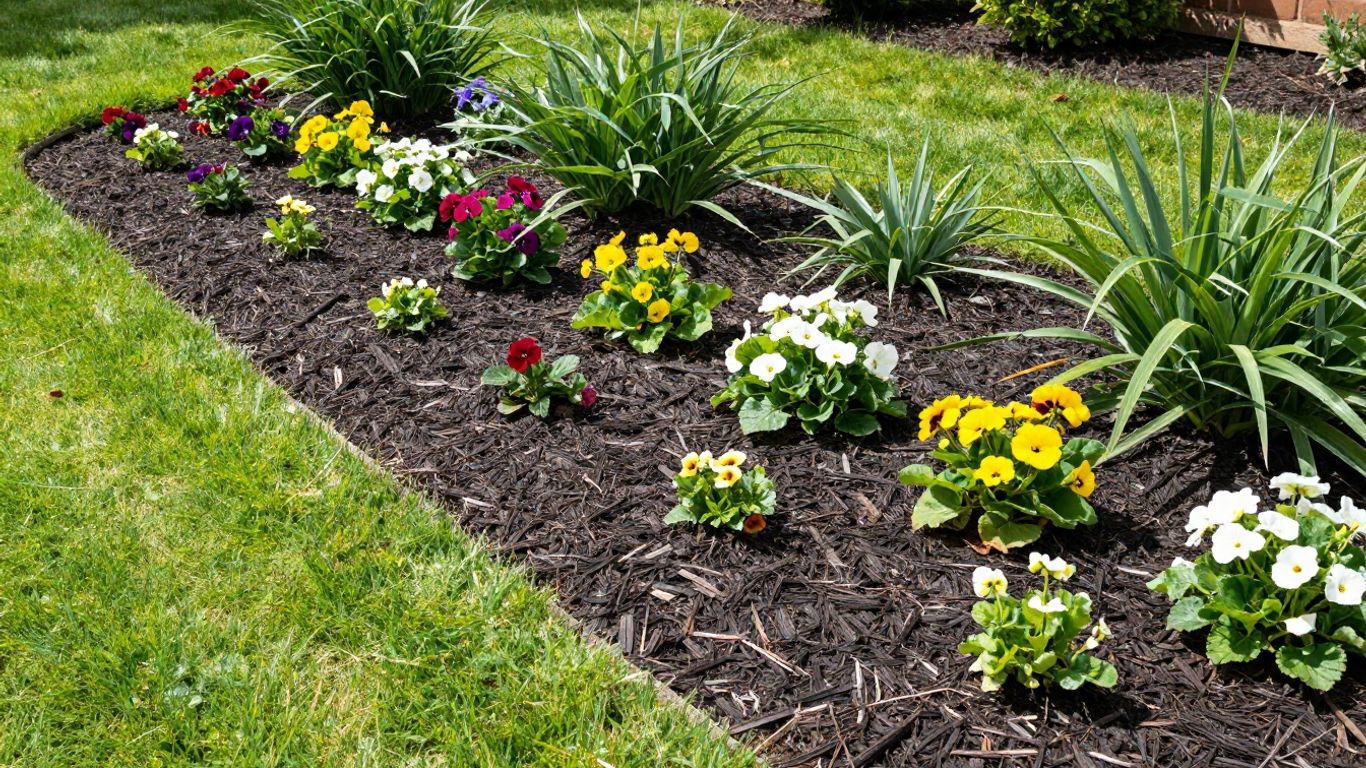
We often overlook the simple things when we’re thinking about making our yards look good. But honestly, a lot can be done with just a bit of attention to the edges. Crisp edging can really change how your whole property looks from the street. It’s like putting a frame around a picture; it just makes everything stand out better.
Defining Garden Beds For A Polished Look
When we talk about defining garden beds, we mean creating a clear line between your lawn and your flower beds or shrub areas. This separation stops grass from creeping into places it shouldn’t be, and it makes your planting areas look neat and tidy. It’s a small detail, but it makes a big difference in the overall appearance. Think about it: a lawn that just sort of blends into a flower bed looks messy. But a clean, sharp edge? That looks intentional and cared for.
Here are a few ways edging helps:
- It keeps grass from taking over your flower beds.
- It gives your garden beds a structured, finished look.
- It makes mowing and trimming much easier.
- It helps keep mulch and soil contained within the beds.
We find that taking the time to create these defined lines is one of the most cost-effective ways to boost your home’s curb appeal. It doesn’t require a huge budget, just a bit of effort and the right tools.
Choosing The Right Edging Material
There are quite a few options when it comes to picking out edging. What works best often depends on your yard’s style, how much work you want to do, and your budget. We’ve tried a few different kinds over the years.
Here’s a quick look at some common choices:
- Plastic Edging: This is usually the most budget-friendly option. It’s flexible and easy to install, but it can sometimes look a bit cheap and might not last as long as other materials.
- Metal Edging: Steel or aluminum edging is quite durable and gives a very clean, modern look. It’s a bit more expensive upfront and can be trickier to install, especially on curves.
- Stone or Brick: This is a classic choice. It looks great and lasts a long time. However, it’s usually the most expensive and labor-intensive option to put in.
- Wood Edging: You can use landscape timbers or planks. It offers a natural look but will eventually rot and need replacing.
The best edging material for us has been metal, offering a good balance of durability and a clean aesthetic. We’ve found that while it costs a bit more initially, the longevity and the sharp lines it provides are worth the investment for a polished appearance.
Revitalizing Your Landscape With Fresh Rock
Adding fresh rock to your garden beds is a straightforward way to give your yard a clean, finished look, especially as the growing season kicks off. It’s more than just a decorative touch; it can help suppress weeds and retain soil moisture. We find that a good layer of gravel or decorative stone can really make plants pop and give the whole property a cared-for appearance.
Selecting the Perfect Stone For Your Style
Choosing the right kind of rock might seem simple, but there are quite a few options to consider. Think about the overall look you’re going for. Do you want something natural and earthy, or more modern and sleek? The color and size of the stones play a big role in this.
Here are a few popular choices we often see:
- Pea Gravel: Small, rounded stones that are easy to walk on and come in various natural colors. Good for pathways or general ground cover.
- River Rock: Larger, smoother stones, often in mixed colors. They give a more substantial, natural look and are great for dry creek beds or large bed areas.
- Crushed Stone/Gravel: Angular pieces that lock together well, making it a stable option for driveways or areas with foot traffic. Available in many shades.
- Decorative Gravel: This category includes a wide range of colored, polished, or uniquely shaped stones. Think lava rock, granite chips, or even glass pebbles for a modern vibe.
Consider the scale of your project. For large areas, you might need bulk delivery, which can be more cost-effective. For smaller beds, bags from a garden center are usually sufficient.
Strategic Placement For Maximum Impact
Once you’ve picked out your stone, how you place it makes all the difference. We’ve learned that a little planning goes a long way.
- Prepare the Area: Before you start spreading rock, make sure the beds are clear of weeds and debris. If you’re laying down a new layer, it’s a good idea to put down landscape fabric first. This helps prevent weeds from growing up through the rock.
- Spread Evenly: Aim for a consistent depth across the entire bed. Too thin, and you won’t get the full effect or weed suppression. Too thick, and it can look messy and waste material.
- Consider Drainage: While rock helps with drainage, ensure water can still flow away from plant roots. Avoid creating dams or overly deep piles near plant bases.
The goal is to create a clean, defined look that complements your plants and home. It’s about adding texture and visual interest without overwhelming the natural beauty of your garden. A well-placed layer of stone can really tie everything together.
We often find that a depth of about 2-3 inches is just right for most decorative applications. This provides enough coverage to look good and function well, without being excessive. For pathways, you might want a bit more depth, depending on the type of stone and how much traffic it will see.
Wrapping Up Our Early Season Refresh
So, we’ve gone over how a bit of edging and some new rock can really make a difference early in the year. It’s not a huge job, but the impact is pretty big. We think it’s a great way to get our yards looking tidy before everything really starts to grow. It sets a nice stage for the rest of the gardening season. Give it a try; you might be surprised at how much better your place looks with just these simple steps.
Frequently Asked Questions
Why is it a good idea to add new rock to our garden beds early in the season?
Adding fresh rock early on really wakes up our outdoor spaces. It makes everything look neat and tidy, like we’ve put in a lot of effort. Plus, it helps keep weeds down and holds moisture for our plants, giving them a great start.
What’s the best way to make garden edges look sharp?
To get those clean lines, we need to make sure our garden beds have clear borders. This means digging a small trench or using materials like plastic, metal, or stone to create a distinct edge between the lawn and the garden. It makes a huge difference in how polished our yard looks.
How do we pick the right kind of rock for our yard?
Choosing the right rock depends on the look we’re going for. We can think about the color, size, and type of stone. For a natural feel, we might use river rocks. If we want something more modern, gravel or crushed stone could work. It’s all about matching it to our home and garden style.
