


As winter winds down and the thaw begins, we often face a common challenge: managing the water from melting snow and spring rains. This excess water can cause problems around our homes and properties if not handled properly. We’ve been looking into different ways to deal with this, and one approach that stands out involves using permeable paving solutions. It’s a practical way to let water soak into the ground instead of pooling up or running off where we don’t want it.
Key Takeaways
- Permeable paving lets snowmelt and rain drain through, reducing surface water buildup.
- When picking materials, think about how well they let water pass and how long they’ll last.
- Combining permeable paving with other drainage methods can make your system work even better, but remember to keep it clean.
Managing Water Runoff With Permeable Paving Solutions
When winter finally loosens its grip and the snow starts to melt, we often find ourselves dealing with a lot of water. The same thing happens when spring rains arrive. It can really make a mess of our yards and driveways. We’ve found that permeable paving is a pretty good way to handle this. Instead of water just pooling up or running off everywhere, these surfaces let the water soak through.
Benefits of Permeable Paving for Snowmelt
We’ve noticed a few good things happen when we use permeable paving specifically for snowmelt.
- Reduced Ice Formation: Because water can drain away instead of freezing on the surface, we see less ice. This makes walkways and driveways safer.
- Less Surface Water: No more puddles sitting around for days. The water goes right into the ground.
- Groundwater Recharge: This is a big one. As the water soaks in, it helps refill our underground water sources. It’s better for the environment.
- Prevents Erosion: When water runs off quickly, it can wash away soil. Permeable surfaces slow this down, protecting our landscaping.
Choosing the Right Permeable Paving Material
There are a few options out there, and picking the right one depends on what you need.
- Permeable Pavers: These look like regular pavers, but they have wider gaps between them. These gaps are filled with small stones that let water pass through.
- Porous Asphalt and Concrete: These are special mixes that have more air pockets. Water can seep through the material itself.
- Gravel Systems: Simple gravel driveways or paths can also be very permeable. The spaces between the stones allow for drainage.
We found that for areas with heavy foot traffic, like a main walkway, permeable pavers often work best. For larger areas like driveways, porous asphalt or concrete might be more practical. Gravel is a good, low-cost option for less-used paths.
It’s important to remember that even the best permeable systems need a good base layer of gravel underneath. This base layer is key for drainage and stability. Without it, the system won’t work as well, and you might still have water problems.
We’ve seen that proper installation is key to making sure these systems work long-term. It’s not just about picking the material; it’s about putting it in the right way.
Advanced Drainage Strategies for Wet Seasons
Integrating Permeable Paving with Existing Systems
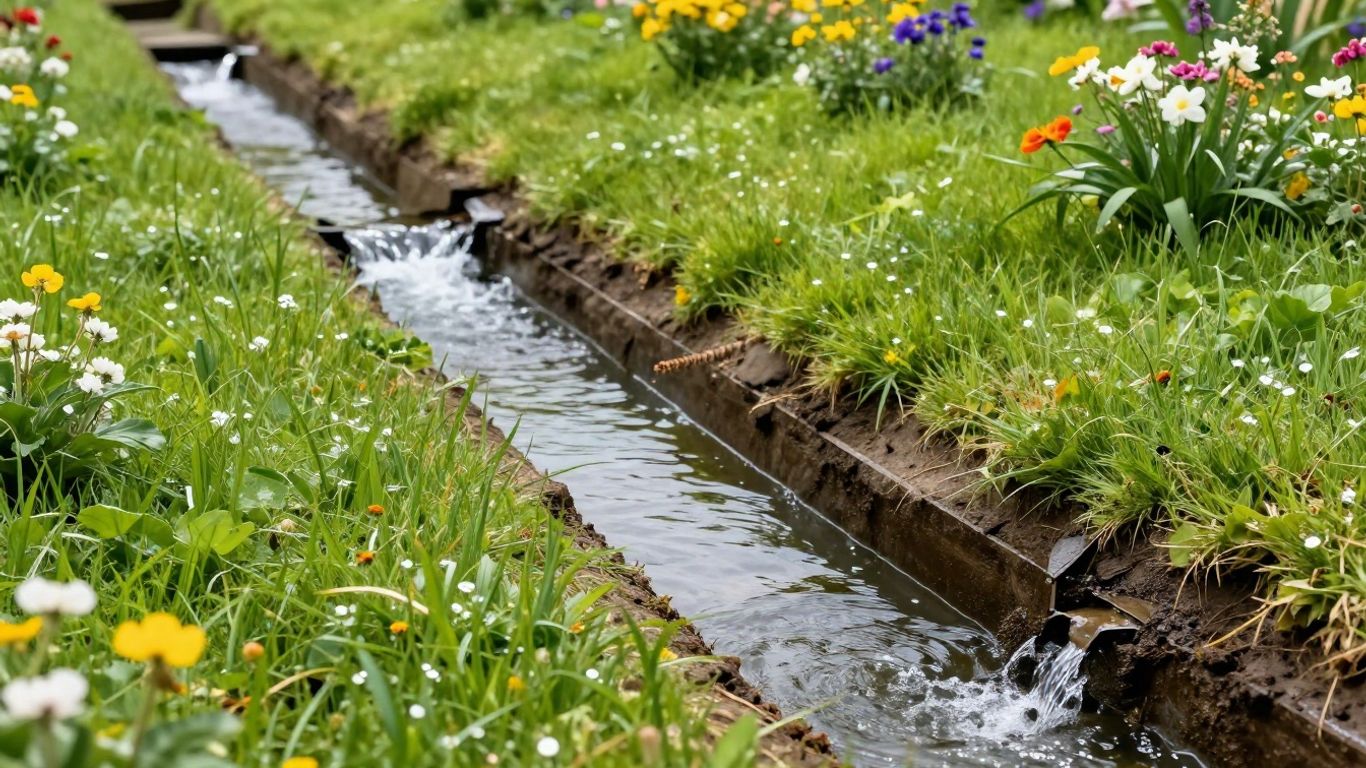
When we think about managing water, especially during those heavy spring rains or when snow starts to melt in earnest, it’s not always about starting from scratch. Often, we have existing drainage systems in place, and the smart move is to figure out how to make them work better with new solutions like permeable paving. We can connect permeable surfaces to existing French drains or even direct overflow to rain gardens. The goal is to create a layered approach where water is managed at multiple points. This means looking at how your downspouts currently drain, where your yard tends to pool water, and how permeable areas can help alleviate those issues without overwhelming what’s already there.
- Assess your current drainage: Before adding anything new, take a good look at how water moves across your property now. Are there low spots? Where does water collect?
- Identify connection points: Figure out where permeable paving can tie into existing drains, swales, or retention areas.
- Plan for overflow: Even permeable surfaces have limits. Designate areas, like rain gardens or dry wells, to handle excess water during extreme events.
Maintenance Tips for Long-Term Performance
We all know that even the best systems need a little upkeep to keep working right. For permeable paving, especially when dealing with snowmelt that can carry grit and salt, regular maintenance is key. If the pores get clogged, the whole point of letting water soak through is lost. We need to keep those surfaces clear so they can do their job effectively year after year.
Here are some things we should be doing:
- Regular Sweeping: Especially after winter, sweep away any sand, salt, or debris that accumulated. This is probably the most important step.
- Occasional Power Washing: A gentle power wash can help dislodge finer particles that sweeping misses. Be careful not to use too much pressure, as it could damage the material.
- Weed Control: Keep an eye out for weeds growing in the joints or on the surface. They can break up the material and clog the drainage paths.
- Inspect for Settling: Over time, some areas might settle. Check for any dips or unevenness that could affect water flow and address them promptly.
Keeping permeable surfaces clear of debris is the most effective way to maintain their drainage capacity. A little bit of regular attention goes a long way in preventing bigger problems down the line.
We found that a simple schedule, like sweeping monthly during the spring and fall, and a more thorough check-up annually, makes a big difference. It’s about being proactive rather than reactive when the next big rain hits.
Wrapping Up Our Drainage Talk
So, we’ve gone over a few ways to handle all that water when the snow melts or the spring rains hit. It’s not always the most exciting topic, but getting it right can save us a lot of headaches down the road. Whether it’s a simple French drain or thinking about grading your yard, taking some steps now really makes a difference. We hope this gives you a good starting point for figuring out what works best for your place. Don’t let water become a problem; let’s get ahead of it.
Frequently Asked Questions
How does letting water soak into the ground help with melting snow?
When snow melts, all that water needs to go somewhere. If it just sits on top of hard surfaces like regular pavement, it can pool up and cause problems. Permeable paving lets the water seep down into the soil beneath. This means less standing water on your paths and driveways, which is great for preventing ice buildup and making sure water gets back into the earth naturally.
What are some easy ways to keep our drainage systems working well after heavy rain?
Keeping things clear is key! We should regularly check that our drains and gutters aren’t blocked by leaves or debris. For permeable surfaces, we might need to sweep them occasionally to ensure the tiny holes stay open. Simple actions like these help water flow away smoothly, preventing floods and water damage to our properties.
Can we use these special pavement solutions with the drains we already have?
Yes, in many cases, we absolutely can. Permeable paving often works alongside regular drainage systems. It’s like having a two-part plan: the permeable surface handles a lot of the water by letting it soak in, and any extra water can then be directed to our existing drains. We just need to make sure they’re set up correctly to work together for the best results.
